
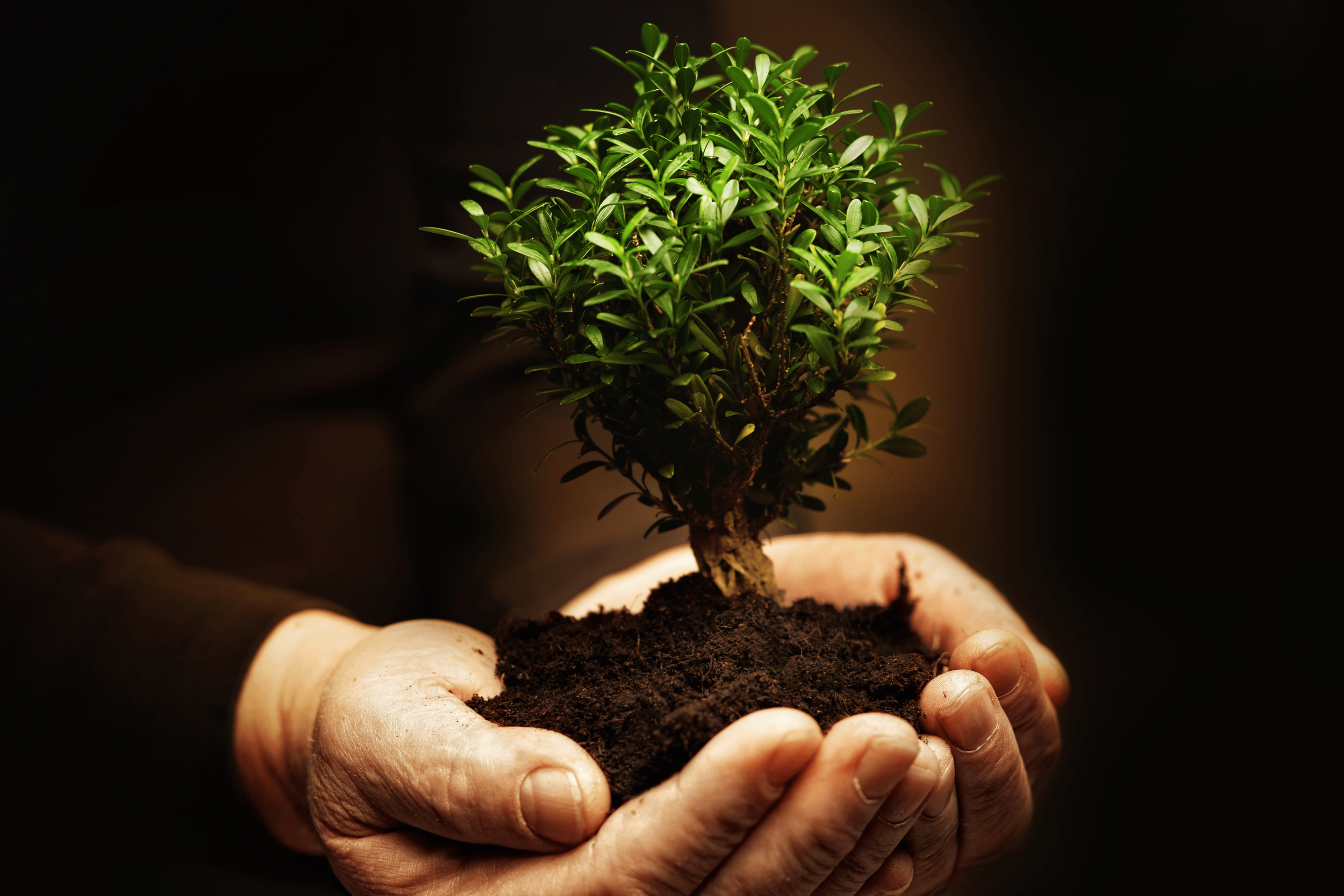
I come from a long lineage of green thumbs—farmers and gardeners. Unfortunately, I didn’t quite inherit the gene. Or perhaps, more accurately, I’m not patient enough. Or actually, upon more reflection, growing things takes a lot of time and effort, and I prefer to put those resources toward something else. Whatever the reason, my attempts at home gardening have often been thwarted by travel, our dog digging up plants, and unpredictable weather conditions. I could keep at it until I find a way that works for me, but thus far, grocery stores and farmers markets provide me with the produce this mostly vegetarian needs.
Despite being challenged at providing myself with food sources mere steps outside my kitchen, I’ve become much more adept at keeping indoor (nonedible) plants alive. Not only alive, but thriving. And not just succulents.
The biggest lesson I discovered in the process of caring for plants is that art complements science. I’m a huge research nerd. I want to know and do things the best way we know how to at the present time. So, with the goal of keeping my plants alive, I did a lot of metaphorical digging. I made sure every plant had its ideal conditions (easier to do in sunny Southern California, for sure). I even made spreadsheets. Sometimes it worked, but far too often, it didn’t, leaving me confused and frustrated.

Letting go is an important part of growth.
But when I didn’t try to follow a strict “recipe” and let go of all the control I thought I needed, I found that my plants thrived. I take the advice of experts when it works, and when it doesn’t, I experiment until I find what does. Fortunately, I’m killing fewer plants these days. For instance, I’ve discovered that only watering them when the soil is dry and adding nutrients when it seems they need them is more helpful than strictly following my spreadsheet. And it’s less stressful. I mostly water them with my dog’s drinking water when he’s done with it—somehow, it’s working!
A Word About Science and Mindfulness
P.S., This isn’t an anti-science rant. Far from it. I still love and respect the scientific method and scientists. The knowledge science brings us is invaluable. It helps us better understand ourselves and the world around us. It gives us a place to start and provides answers to the questions we’re asking.
But we also have to recognize that not everything has a clear-cut, black-and-white answer. There usually isn’t one exact path. Everyone and everything needs something different to grow and thrive. This is why there’s so much self-help. While advice is marketed as truth, it’s really just someone sharing what’s worked for them. Or, as some may argue, selling a bunch of misinformation mumbo jumbo (but that’s for another time).
Key Mindfulness Lessons From Growing Plants
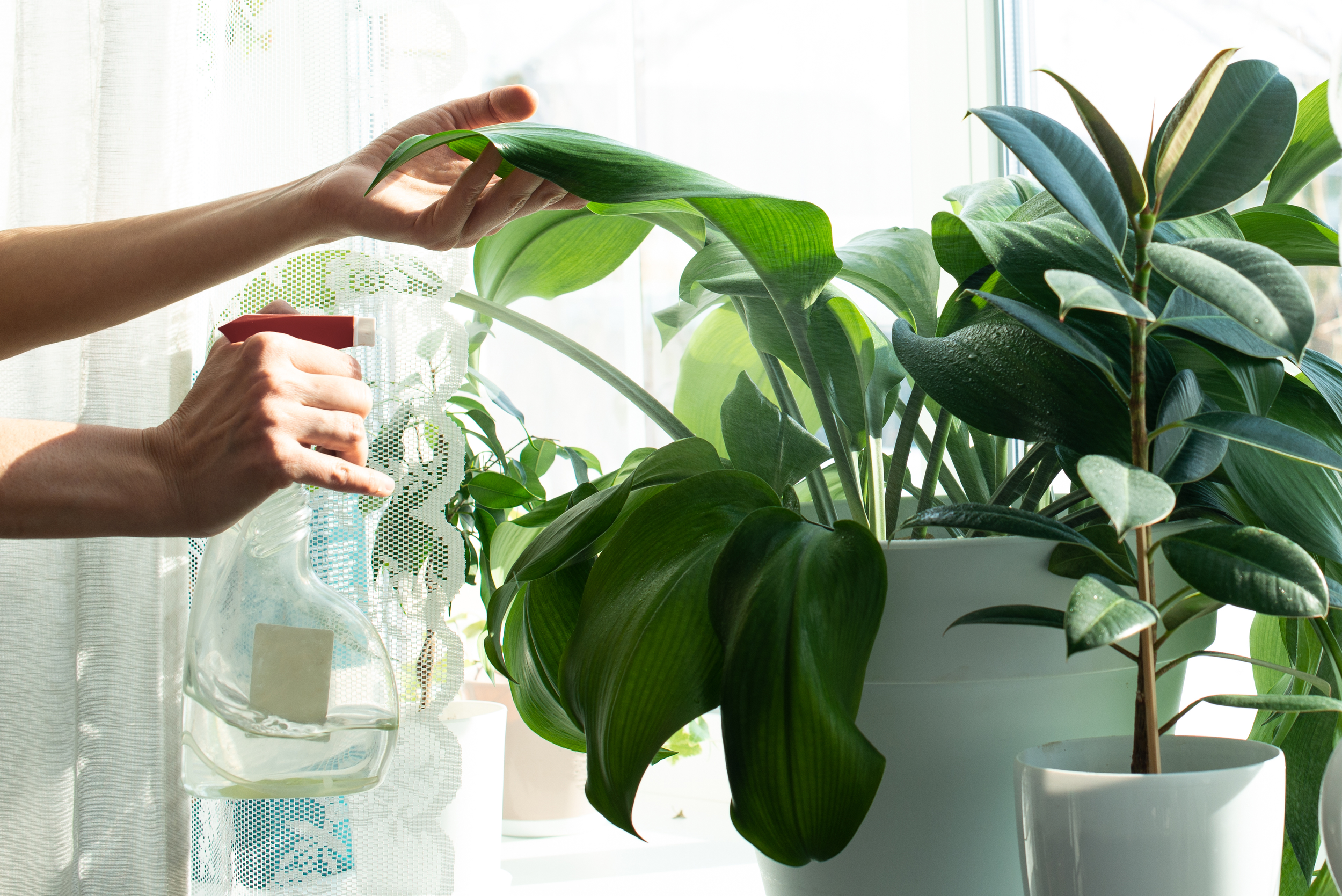
Plants can teach us a lot about growth and mindfulness.
Some of the other things I’ve learned about growth from growing plants are essential to mindfulness practice and ecotherapy:
1. Growth happens whether we want it to or not. Growth and change are the only constants in life. From the tiniest movements we don’t notice immediately to the ones so significant they shake us to our core, we can’t escape it.
2. Growth is uncomfortable. Can you even imagine how it feels to be a plant pushing up through dirt? But isn’t that sunshine worth it? Even when we know we need to grow and move forward, it’s scary. We don’t know what the future holds. From an evolutionary perspective, we’re still alive right here, right now, just the way we are. So, why risk change? In reality, most growth doesn’t involve physical death. But it can involve ego death, which might be just as painful. I can’t say for sure since I haven’t died yet. Or perhaps I have no memory of dying, if reincarnation exists.
3. Love helps a whole lot. As cheesy as it sounds, giving my plants (and myself) words of affirmation—help in some not-yet-wholly-understandable way—has made a huge difference. Feeling love for plants, ourselves, and others gets us a lot farther than fear and frustration with the process. When we feel better, we make better choices, which support us through the discomfort of growth.
4. Patience is key. Growth doesn’t always go as planned. We don’t have control over anything outside of ourselves. Influence, sometimes, yes—but control, no. Things unfold in their own time, in their own way. Just like we don’t do everything the way everyone wants us to, the same is true for others. Things might take longer or look different than we imagine, and deep breaths give us time to regroup for more growth. I had this one plant in our bathroom that didn’t grow no matter what we did. It didn’t die, but it was stuck. My partner moved it to the living room, and now it’s become an entire jungle. It took a lot of patience to see that payoff.
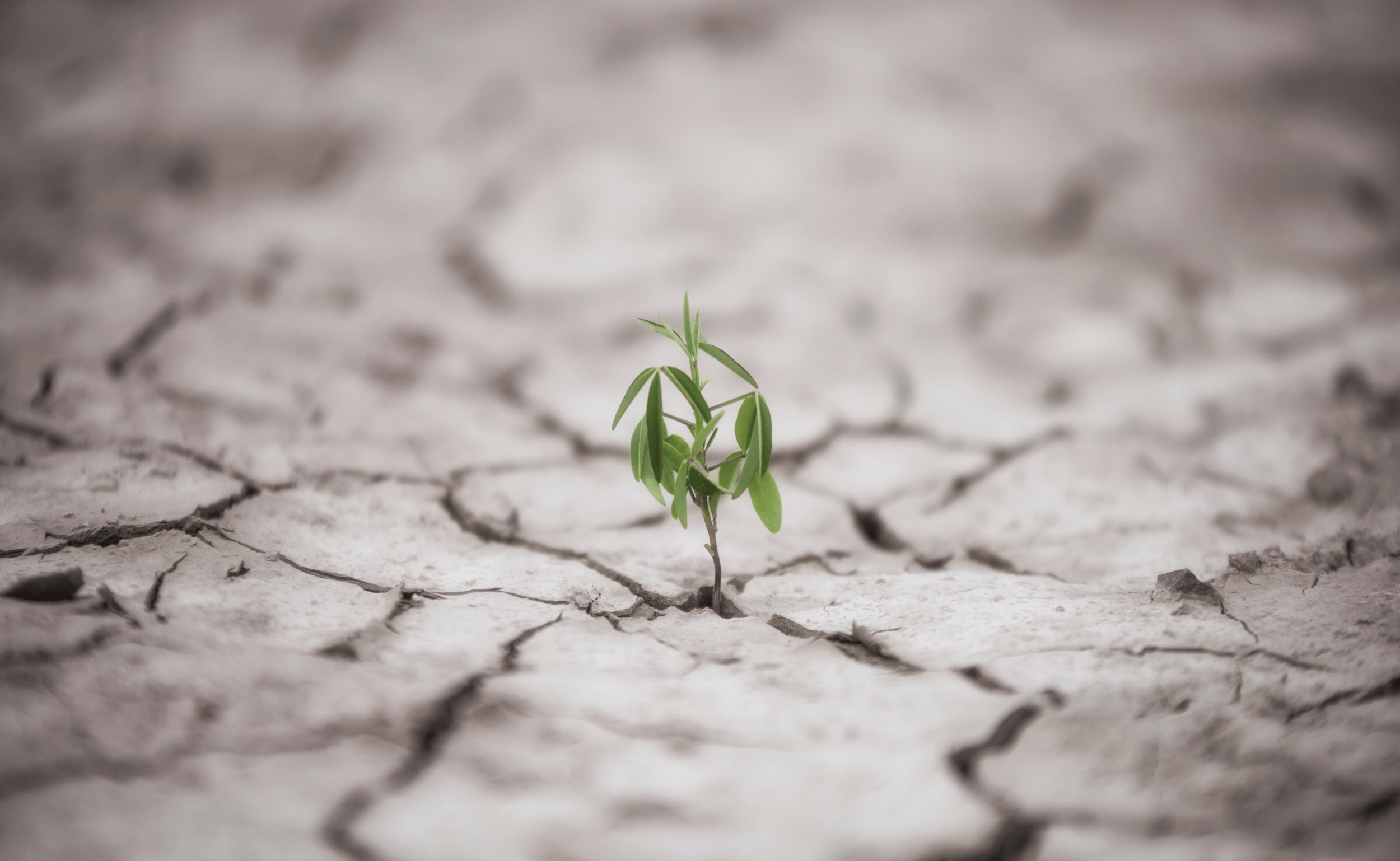
Growth can occur even in the most desolate of places and trying of times.
5. Persistence matters. When growth and change are desired, we can’t give up. Even when things don’t go our way, we have to find ways around the roadblocks. Sometimes, we need to move our plants—or ourselves—geographically. Sometimes it’s about moving our bodies. We need to try different things: more or less water, sunlight, different soil. It’s the same with personal development. There are infinite paths to success, and we can’t give up on the destination just because one path is blocked.
6. Celebration is vital. Celebrate the growth, those small wins. Even when they don’t seem like wins (which is often the case). I get so stoked over each new leaf on my plants. It genuinely makes my day! I’m trying to do the same with myself, though I find that harder. We have to take time to acknowledge the progress we’ve made, the smaller goals we’ve achieved, because that’s what adds up to a fulfilling life. And what’s the point of living and growing if we aren’t enjoying as much of it as we can?
Final Thoughts on Ecotherapy and Personal Growth
Whether you’re an experienced gardener or just getting started with indoor plants, there’s so much to learn about personal growth through the practice of nurturing life. Mindfulness, patience, persistence, and love are powerful tools for thriving—whether you're growing plants, healing yourself, or working toward your personal goals.
Take time to connect with nature, even if it’s just a few houseplants. Start small, celebrate your wins, and trust that growth will come at its own pace.
Written by Amanda Stemen, MS, LCSW